
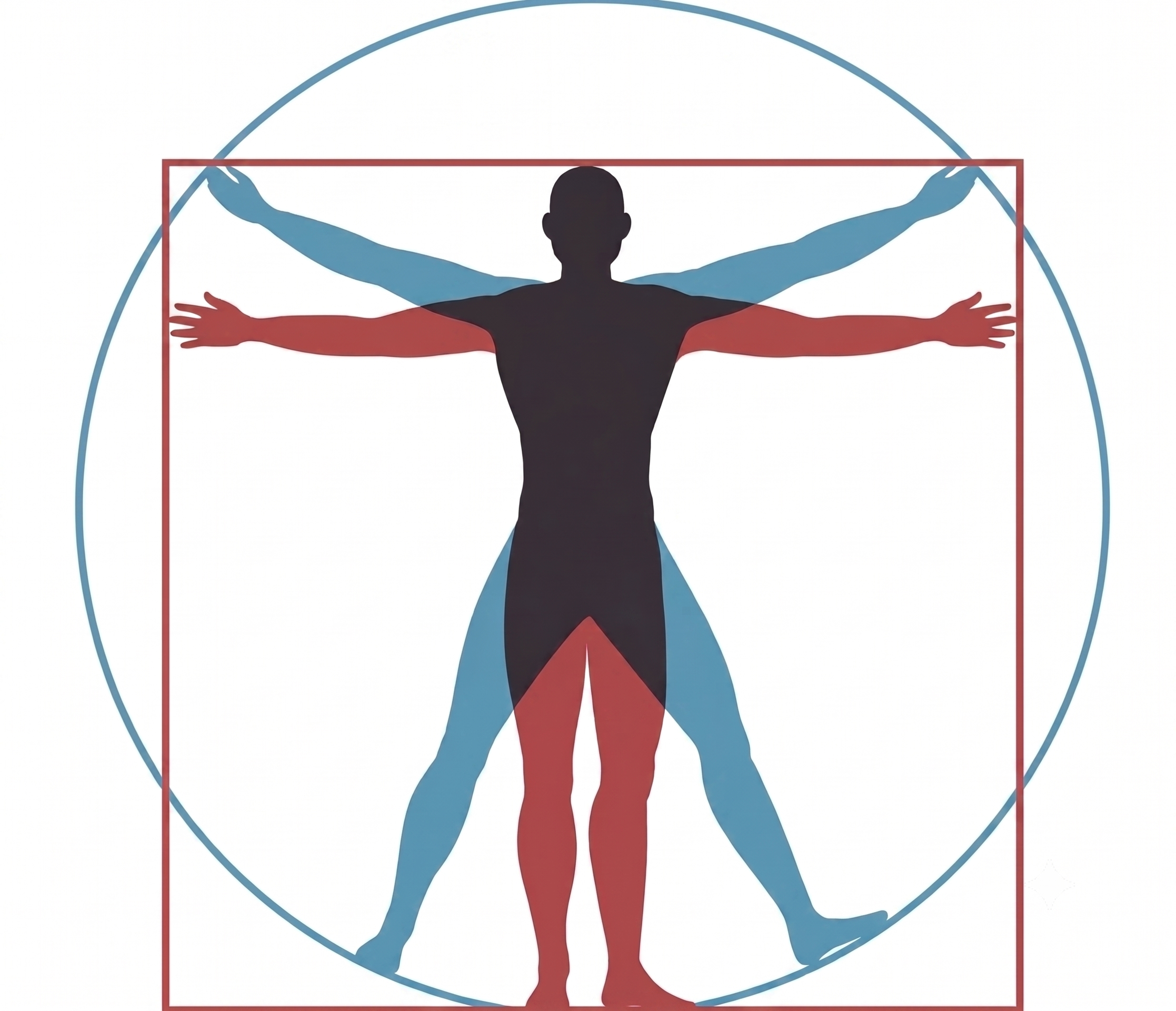
Medicine, in its purest essence, is both a science and an art. While modern advancements in technology and research have vastly improved outcomes, diagnostics, and treatments, the delicate art of clinical practice—marked by intuition, observation, empathy, and communication—has been increasingly overshadowed by the relentless march of technological progress. Today, it is urgent that we re-examine the role of clinical art in medicine and strive to restore its rightful place at the core of healing. The future of patient care depends not only on what we know and what machines can tell us, but also on how we see, listen, and connect as clinicians.
The last several decades have witnessed a seismic transformation in healthcare delivery. Electronic medical records, imaging technologies, molecular diagnostics, artificial intelligence, and telemedicine have all contributed to a new era of precision and efficiency. Yet, as these innovations proliferate, the risk grows that the foundational skills of clinical medicine—the careful, thoughtful encounter between doctor and patient—are being eroded. The patient's story, often the key to unlocking a diagnosis, can be drowned out by checklists and templated documentation.
“Medicine is not only a science; it is also an art. It does not consist of compounding pills and plasters; it deals with the very processes of life, which must be understood before they may be guided.”
— Paracelsus (1493–1541)
Swiss physician and philosopher
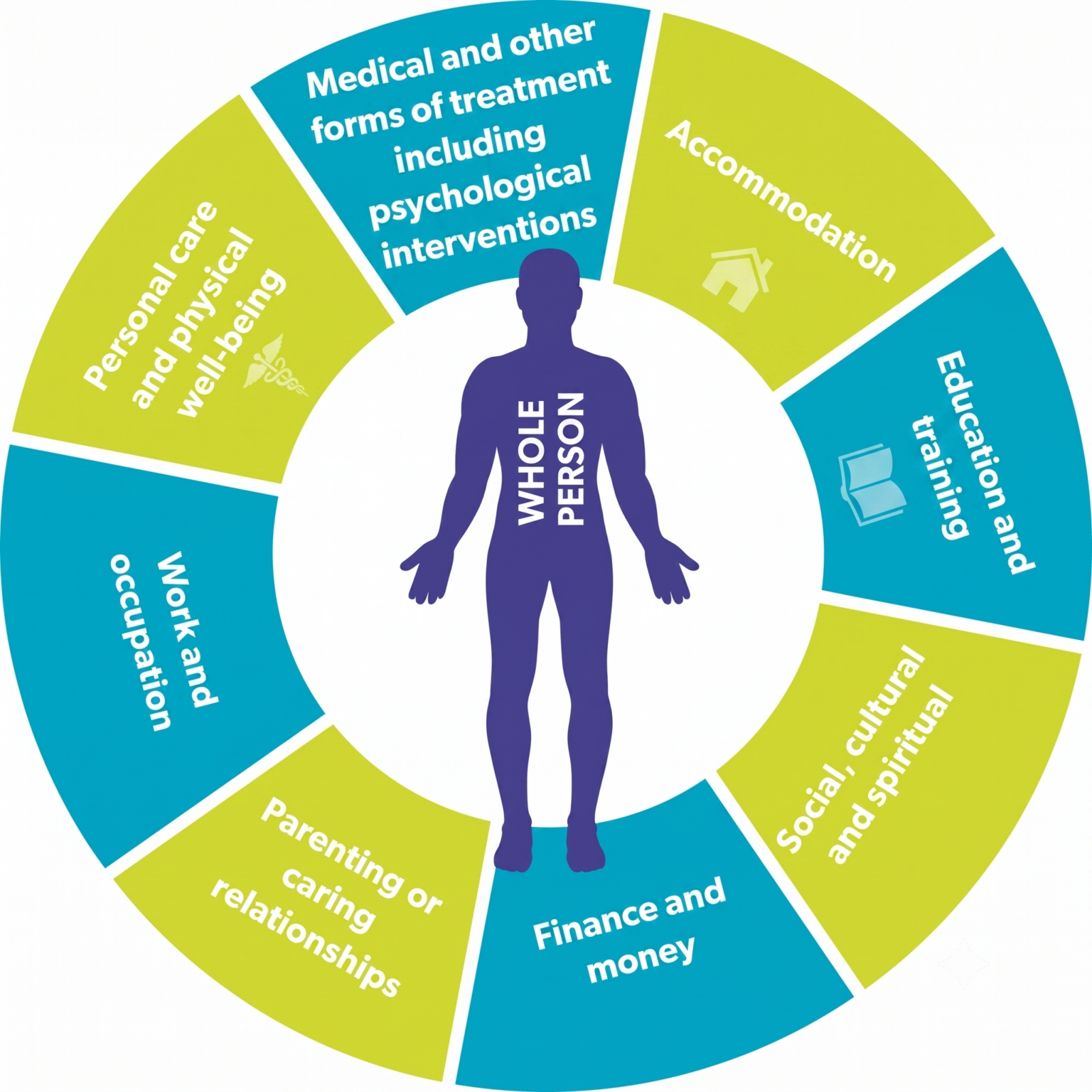
The art of medicine encompasses a host of skills and sensibilities that cannot be reduced to data points or standardised protocols. It is the clinician's intuition, honed by experience and attentive observation; the ability to read between the lines of a patient's words and gestures; the craft of building trust, allaying fears, and motivating change. Clinical art is the holistic appreciation of the person behind the disease, the context behind the symptom, and the subtle cues missed by machines but caught by an attentive eye or an empathetic ear.
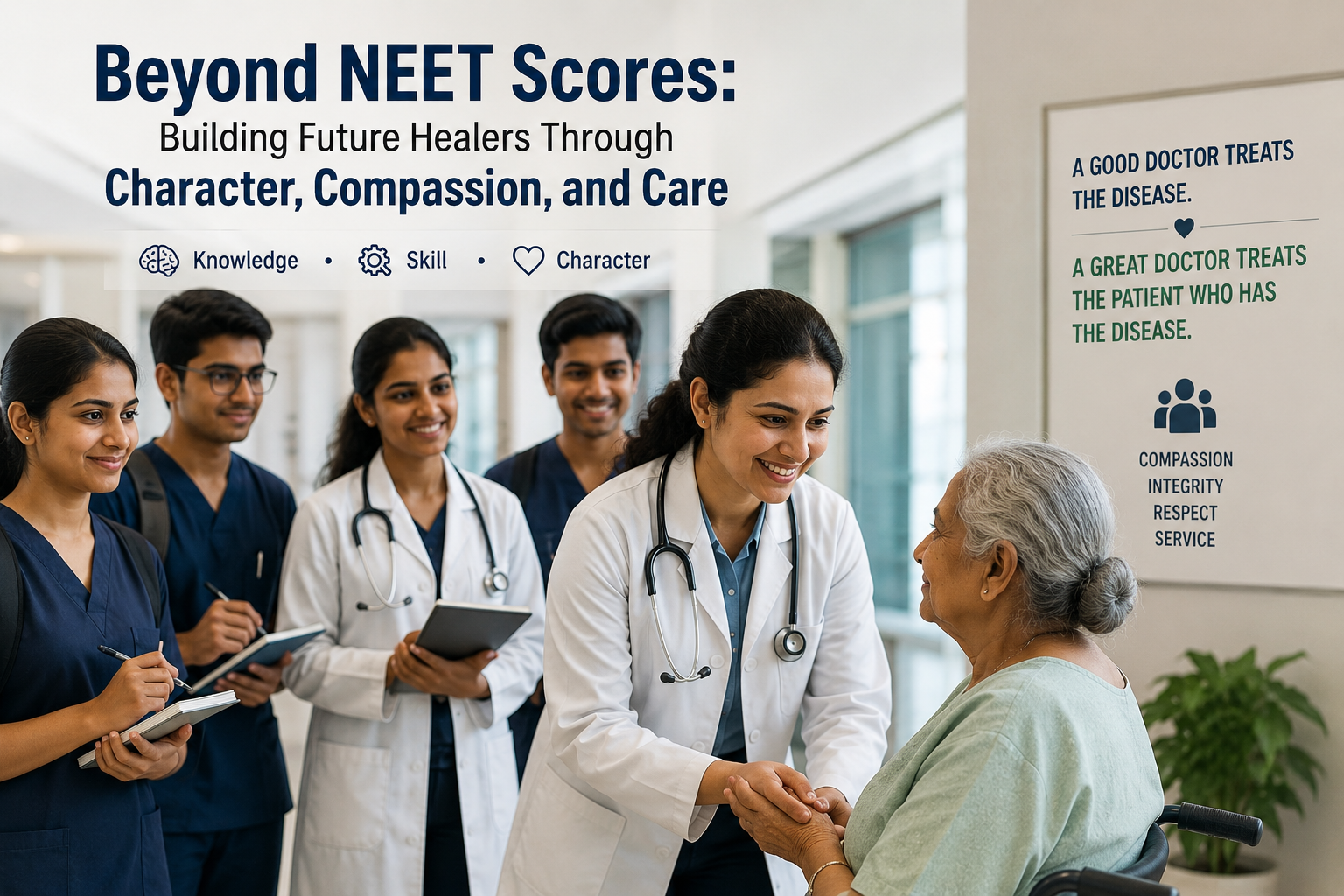
Clinical art begins with the simple, profound act of observation. Great clinicians cultivate the capacity to see what others may overlook: a hesitant movement, a fleeting expression, a mismatch between symptom and affect. Sir William Osler, the father of modern medicine, famously emphasised observation over investigation, reminding us that the good physician treats the disease; the great physician treats the patient who has the disease.
Truly listening to what is said, what is not said, and what is implied is a skill that requires patience and presence. This includes skilful history-taking, honest discussion of uncertainties, and shared decision-making. It requires sensitivity to cultural, emotional, and psychological factors, a deft touch in difficult conversations, and the humility to recognise one's limits.
Many symptoms and conditions defy algorithmic logic. The nuanced judgment of a skilled clinician, guided by empathy and experience, is irreplaceable in ambiguous or complex cases. Empathy, kindness, and meaningful interaction can lower anxiety, improve pain control, and even shorten recovery times. Patients who feel understood and respected are more likely to engage in their care, follow recommendations, and report higher satisfaction, even when outcomes are uncertain.
The concept of a Medical Renaissance, aimed at overcoming the three impediments of competition-driven medical education, profit-driven healthcare systems, and the consumeristic culture of medicine, calls for a transformative shift in how medicine is taught, practised, and perceived. Medical education has become increasingly competitive, focusing on grades, rankings, and specialisation rather than fostering collaboration, empathy, and holistic patient care. This can lead to burnout, stress, and a loss of the humanistic aspects of medicine.
“The good physician treats the disease; the great physician treats the patient who has the disease.”
— William Osler (1849–1919)
Co-founder of Johns Hopkins Hospital
A Medical Renaissance would promote collaborative learning over cutthroat competition. Medical schools should emphasise teamwork, interdisciplinary approaches, and mentorship rather than fostering a hyper-competitive environment. Incorporating narrative medicine, ethics, and communication skills into the curriculum can help future physicians see patients as whole individuals, not merely as cases to be solved.
Healthcare systems are increasingly driven by profit motives, leading to over-treatment, under-treatment, and inequitable access to care. This undermines the ethical foundation of medicine and erodes trust in the profession. A Medical Renaissance would advocate for value-based care rather than fee-for-service models. This means prioritising patient outcomes, preventive care, and equitable access over financial gain. Physicians should be encouraged to focus on the well-being of patients rather than the financial bottom line.
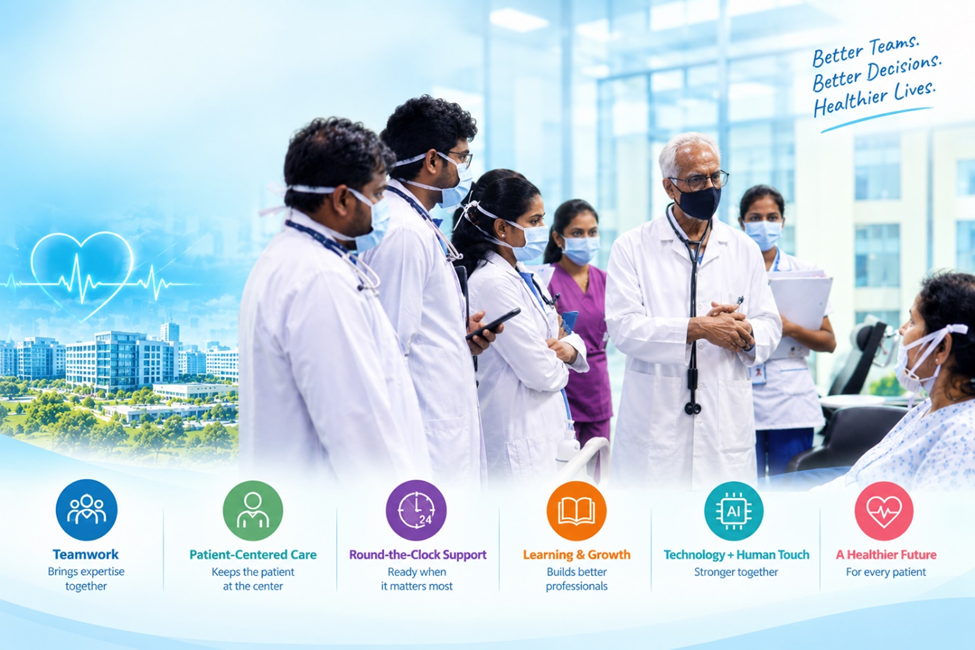
Technology should be seen as a tool to enhance, not replace, clinical judgment and human connection. Artificial intelligence, decision-support systems, and telemedicine can enable more informed and efficient care, but only when guided by the discerning mind and compassionate heart of a skilled clinician. The urgent need to bring clinical art back into medicine is not a nostalgic yearning for a simpler past, but a vital call to action for the future of healthcare.
The rise of consumerism in medicine has led patients to view healthcare as a commodity, demanding quick fixes, unnecessary treatments, and instant gratification. This can lead to over-medicalisation and a loss of focus on long-term health.
“The physician should look upon the patient as a fellow traveller on the journey of life.”
— Albert Schweitzer (1875–1965)
German-French polymath
A Medical Renaissance would encourage shared decision-making and patient education. Physicians should be trained to resist the pressure of consumerism and focus on evidence-based medicine and long-term health outcomes. Patients should be educated about the value of preventive care and the risks of over-treatment. Medicine should be seen as a partnership between the physician and the patient, rather than a transactional relationship.
As science continues to revolutionise what is possible, it is the art of medicine—the power of observation, listening, intuition, and empathy—that will ensure healing remains a profoundly human endeavour. By reclaiming clinical art, we renew our commitment to the patient as a person and uphold the true purpose of medicine: to heal, to comfort, and to serve.
Let us move forward, then, not as mere technicians and diagnosticians, but as artists, healers, and partners in the timeless craft of caring.
A Medical Renaissance would aim to restore the balance between science and art in medicine, emphasising humanism, ethics, and compassion. By addressing these three impediments—competition-driven education, profit-driven systems, and consumeristic culture—we can move toward a healthcare system that truly serves the needs of patients and society.
Artificial intelligence, when wielded with wisdom, can free physicians from the burdens of data and administration, allowing them to rediscover the art of listening, empathising, and healing—where the heart of medicine truly lies.
—Dr. B Somaraju
0 Comments