
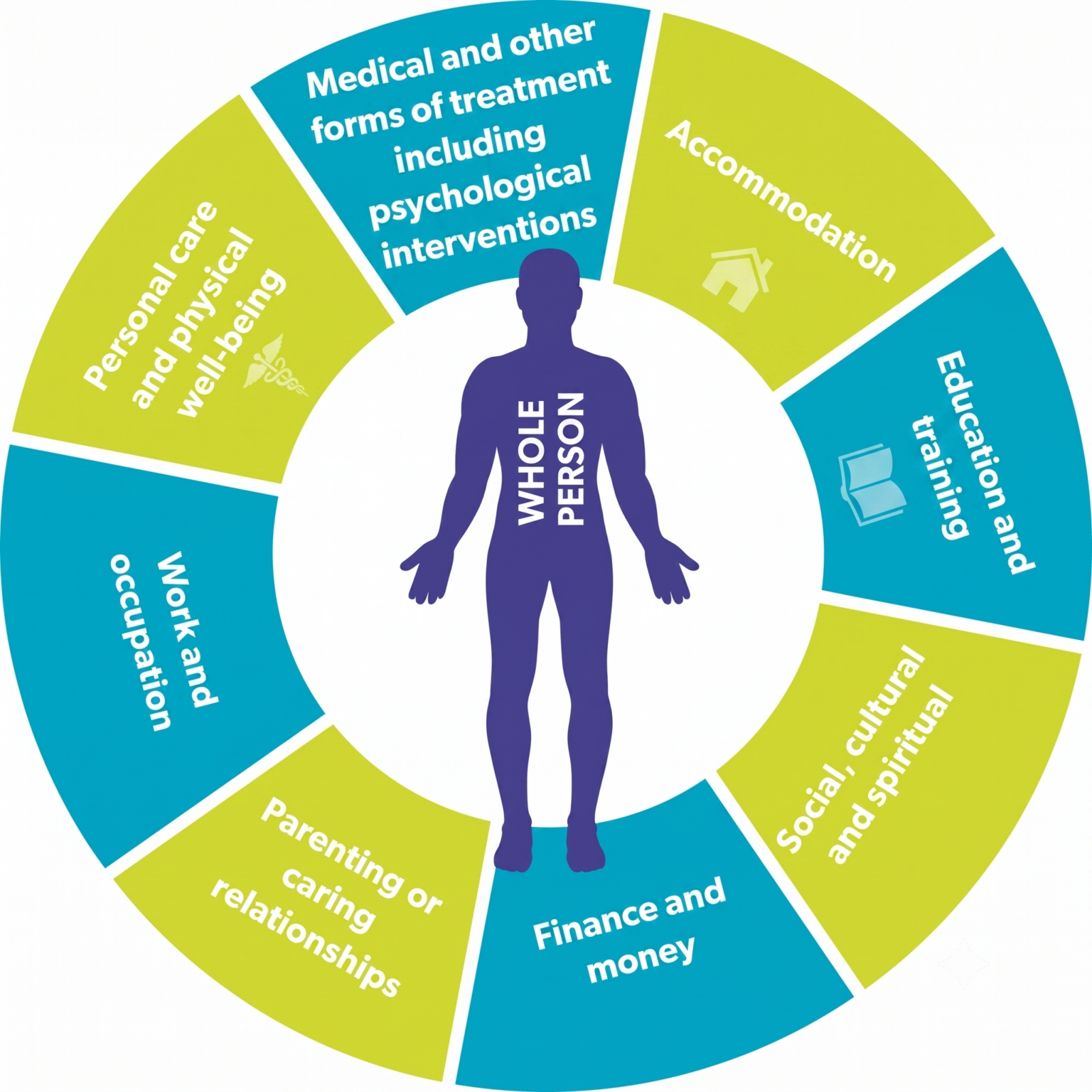
As a cardiologist, I have spent more than four decades caring for patients with cardiovascular disease. During this journey, I have witnessed extraordinary advances in medical science starting from revolutionary diagnostic technologies and interventional procedures to remarkable progress in pharmacotherapy and preventive cardiology. These advances have undoubtedly transformed patient care and saved countless lives. Yet, one lesson has remained constant throughout my career: while we often succeed in treating disease, we do not always succeed in treating the person who lives with that disease.
Over the years, I have come to realize that health cannot be defined solely by normal laboratory values, imaging studies, or the absence of a medical diagnosis. Some of the healthiest individuals I have met have lived with chronic illnesses but continued to lead purposeful, productive, and fulfilling lives. Conversely, I have seen patients with seemingly normal clinical investigations struggle with stress, loneliness, financial hardship, emotional distress, or a loss of meaning that profoundly affected their overall wellbeing. These experiences have reinforced my belief that medicine must evolve beyond a disease-centred approach toward one that understands and cares for the whole person.
To me, health is not a static biological state but a dynamic human capacity—the ability to adapt, recover, contribute, build meaningful relationships, make informed choices, and pursue a life of purpose despite the inevitable challenges imposed by illness or circumstance. Scientific excellence will always remain the foundation of good medical practice, but science alone is not sufficient. Every patient brings a unique life story, shaped by family, work, environment, personal values, and aspirations. Understanding that story is as important as understanding the pathology.
This philosophy encourages us to look beyond organs and diagnoses and to appreciate the many factors that influence health. Physical wellbeing is only one dimension of a much broader picture that includes emotional resilience, spiritual wellbeing, supportive relationships, meaningful work, financial security, healthy environments, opportunities for recreation, and lifelong personal growth. These dimensions are deeply interconnected, and together they determine whether an individual merely survives or truly flourishes.
For healthcare professionals, this means asking different questions. Instead of focusing exclusively on
"What disease does this patient have?" we must also ask
"What matters most to this person?",
"What obstacles prevent better health?", and
"How can we help this individual regain the ability to live a meaningful life?"
Such conversations transform clinical practice from a technical exercise into a genuine partnership between doctor and patient. At the same time, we must remain firmly grounded in scientific evidence. Modern medicine should avoid the twin pitfalls of reducing patients to biological measurements alone or believing that optimism and lifestyle can replace appropriate medical treatment. Compassion and science are not competing philosophies; they are complementary. The finest healthcare combines rigorous scientific practice with a deep understanding of the patient's lived experience.
Equally important is the recognition that healthcare extends beyond individual consultations. Hospitals and healthcare organisations must foster environments that promote the wellbeing of both patients and healthcare professionals. Institutions that value compassion, ethical leadership, staff wellbeing, and patient-centred decision-making are ultimately better equipped to deliver safe, effective, and sustainable care.
This perspective culminates in what I consider the Four Pillars of Health:
Health as Capacity, the ability to function, adapt, and recover;
Health as Relationship, recognising that healing occurs through meaningful human connections;
Health as Coherence, where our physical health, values, and daily actions are aligned; and finally,
Health as Flourishing, where the true purpose of healthcare is to help individuals live with dignity, hope, purpose, and joy.
Looking back on my years in medicine, I have learned that the most memorable consultations were rarely those defined by complex procedures or sophisticated technology. They were the moments when a patient regained confidence after illness, returned to work, reconnected with family, or rediscovered hope. Those experiences continually remind me that the ultimate measure of healthcare is not merely the number of years we add to life, but the quality, meaning, and dignity we help restore to those years.
As medicine enters an era shaped by artificial intelligence, precision medicine, genomics, and digital innovation, we must ensure that technology strengthens rather than replaces the human connection between doctor and patient. The future of healthcare lies in integrating scientific excellence with compassion, wisdom, and respect for every individual's life story.
Ultimately, our responsibility as physicians is not simply to treat disease but to help people live fuller, healthier, and more meaningful lives. That, in my view, is the true purpose of medicine.
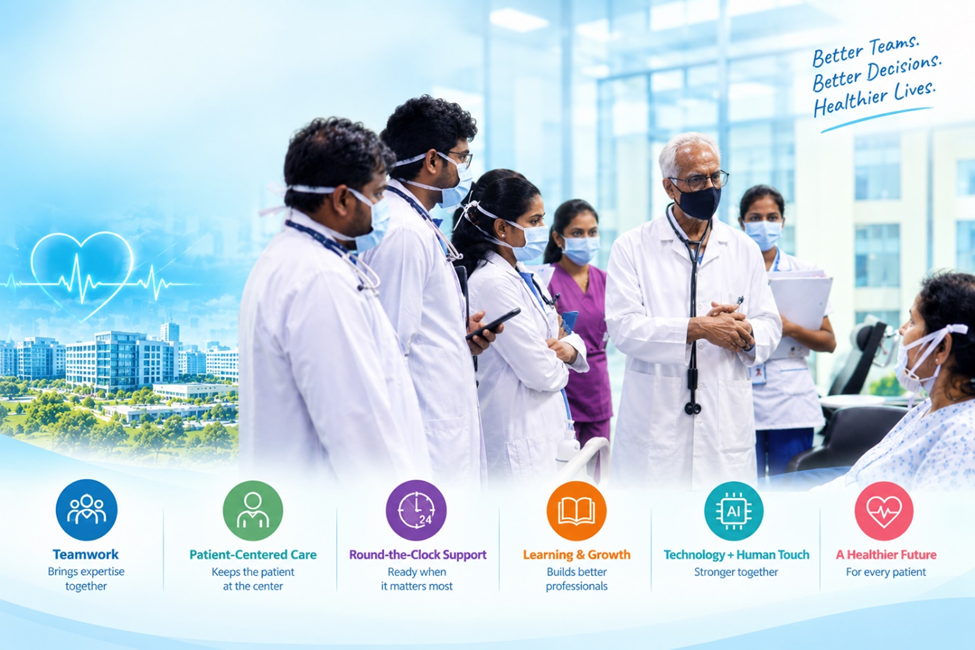
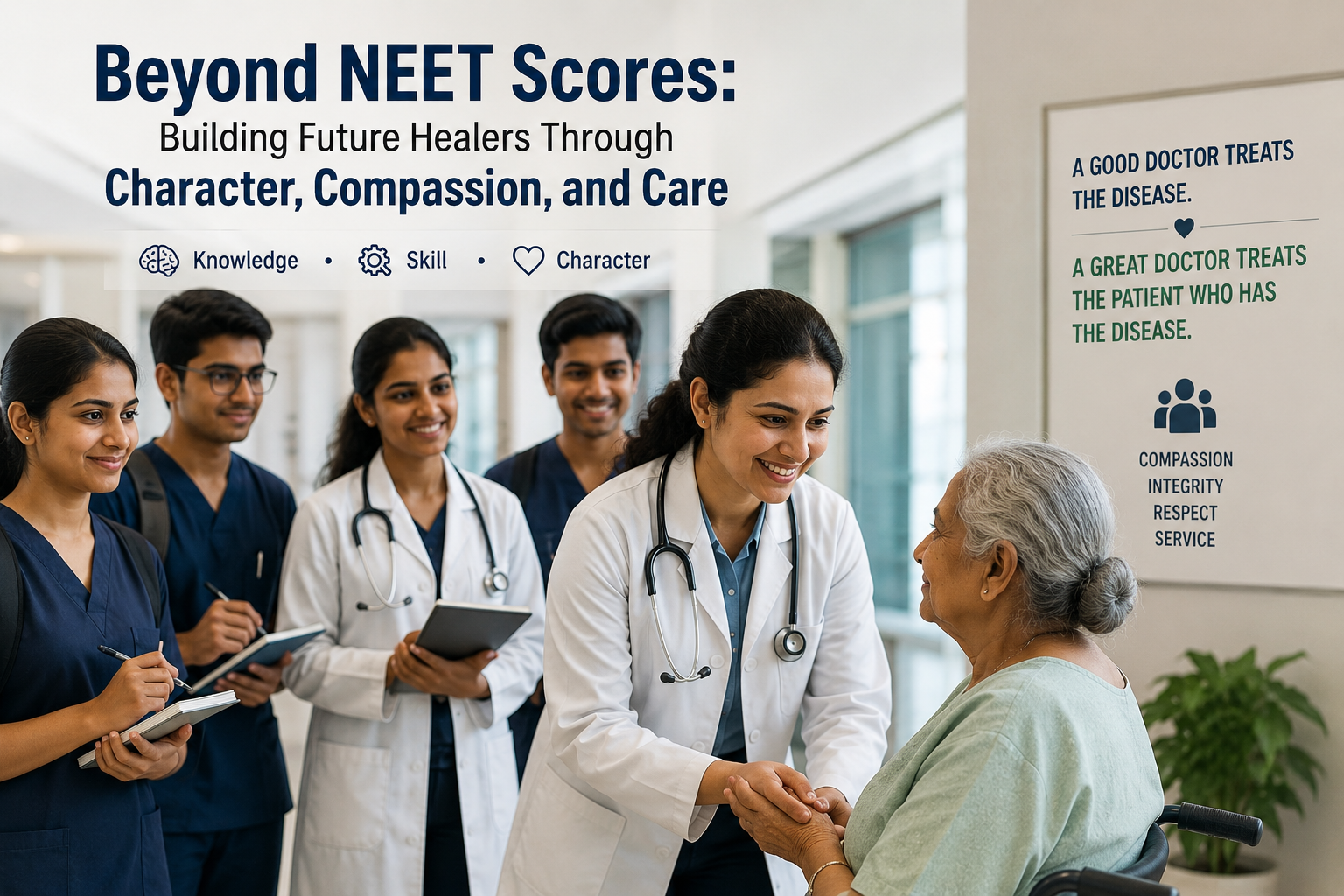
I concur with the article and the views expressed above because they emphasize the importance of shifting the focus of medicine from disease treatment to whole-person well-being. In today’s healthcare environment, modern medicine has made remarkable advances in diagnosis, technology, and treatment. However, healthcare can sometimes become fragmented, rushed, and overly focused on managing disease rather than understanding the individual behind the illness. Physicians have a responsibility to look beyond the diagnosis and consider the patient’s physical, emotional, social, and personal needs. Ultimately, quality healthcare should not only aim to treat disease but also help patients achieve a better quality of life and live fuller, healthier, and more meaningful lives.
A powerful reminder of what medicine is truly about. Beyond diagnosing illnesses and prescribing treatments, the heart of medicine lies in helping people live healthier, fuller, and more meaningful lives. When we see the person behind the disease, healing becomes more than a clinical outcome—it becomes a human one.