Medical education, long regarded as the gold standard of professional training, is facing a period of profound questioning and re-evaluation. Once celebrated for its rigour and prestige, the process by which society trains its future doctors is now under scrutiny for a host of shortcomings—some new, others deeply entrenched. What went wrong, and how did a system built on advancing knowledge and serving humanity begin to show such critical cracks? To answer this, we must journey through the evolution of medical education, identify the major pain points, and reflect on the lived experience of those within its halls.
The roots of medical education date back to ancient times, when apprenticeship models were predominant. With the rise of universities and the professionalisation of medicine in the 19th and 20th centuries, the process became formalised, with standardised curricula, licensing exams, and academic hierarchies. Students spend years immersed in anatomy, physiology, pathology, and pharmacology, sometimes without adequate exposure to real patients and their stories. This scientific rigour, while essential, crowded out empathy, communication, and the art of healing.
"Medicine is learned by the bedside and not in the classroom. Let not your conceptions of disease come from words heard in the lecture room or read from the book. See, and then reason and compare and control. But see first."
— William Osler (1849-1919)
Co-founder of Johns Hopkins Hospital
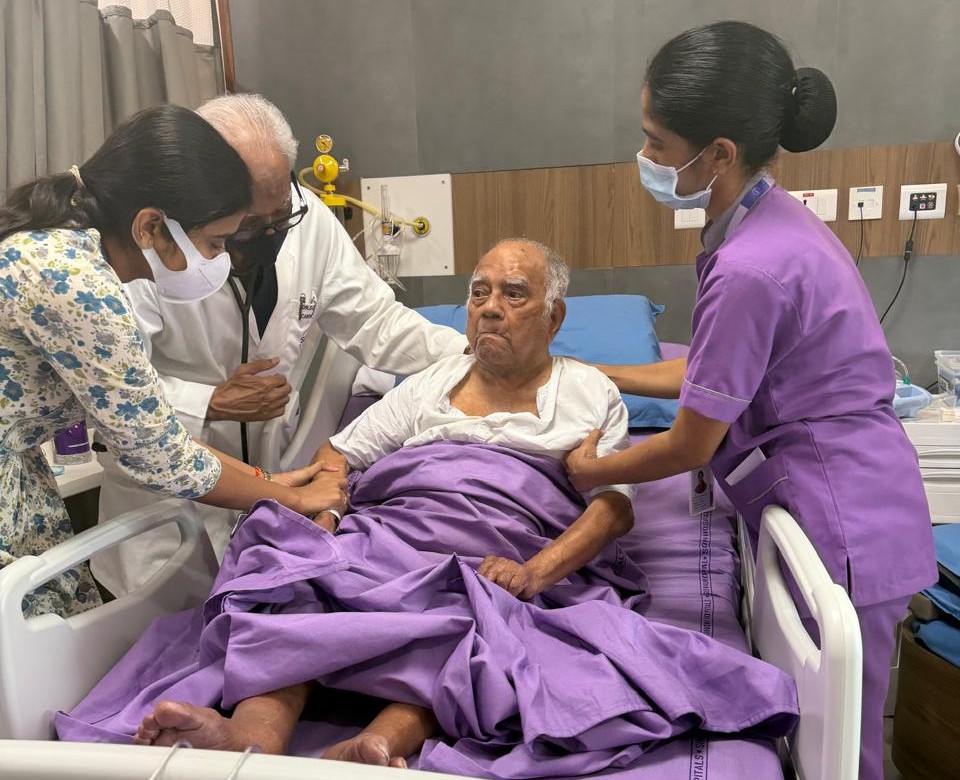
Medical students go from the relative safety of lecture halls to the relentless pace of wards and clinics, often feeling underprepared and unsupported. Residents may work 80 hours a week or more, sometimes with little sleep, and are expected to function flawlessly under immense pressure. Such conditions are not only detrimental to trainees but may also compromise patient care.
The sheer volume of information that today’s medical students are expected to master is staggering, and it continues to grow exponentially every year with new discoveries and advancements in technology. Yet, curriculum structures have not constantly evolved to accommodate this explosion of knowledge. As a result, learning often becomes a process of rote memorisation, cramming for exams, and quickly forgetting details not deemed immediately relevant.
Moreover, the fragmentation of medical knowledge can undermine deeper understanding. Students may learn about diseases in isolated organ systems or disciplines without appreciating the interconnectedness of the human body or the complexity of real-life presentations. The pressure to cover vast amounts of material can leave little room for critical thinking, curiosity, or creativity.
"The education of the doctor, which goes on after he has his degree, is one of the most important parts of his life."
— Harvey Cushing (1869–1939)
Pioneer of brain surgery
Another pressing problem is the persistence of inequity and lack of diversity in medical education. Despite efforts to widen access, the path to becoming a doctor remains dauntingly expensive, competitive, and often exclusionary. Marginalised groups—whether due to race, ethnicity, gender identity, socioeconomic status, or disability—continue to face significant barriers to entry and advancement.
While medicine itself is dynamic and evidence-based, medical education can be surprisingly conservative, adhering to traditions long after they have outlived their usefulness. Didactic lectures, high-stakes standardised tests, and rigid hierarchies persist, even as research suggests that interactive, team-based, and learner-centred approaches are more effective.
Efforts to innovate—through problem-based learning, mentorship, simulation, and technology—have been uneven and, in some cases, insufficient. The hidden curriculum often reinforces old norms, prioritising technical prowess over compassion or humility, and instilling the idea that “this is how it’s always been done.”
The structure of medical education and postgraduate training has long favoured specialization and super specialisation. Financial incentives, prestige, and institutional priorities steer many trainees away from primary care and community-based practice, even as populations age and chronic diseases rise.
At the same time, teaching about the social determinants of health—such as poverty, housing, racism, and access to resources—often receives only cursory attention. Yet these factors play a profound role in patient outcomes and health equity. Without addressing them, the promise of medicine to heal and serve remains unfulfilled.
"The most important part of medical education is to teach the students how to learn."
— Charles Mayo (1865–1939)
Founder of the Mayo Clinic
Advances in technology—such as electronic health records, telemedicine, artificial intelligence, and genomic medicine—are rapidly transforming the healthcare landscape. Yet medical education has sometimes struggled to keep pace, both in preparing students to use these tools effectively and in addressing the new ethical, practical, and communication challenges they bring.
While standardised testing and accreditation have undoubtedly raised the floor of medical competency, they have also produced unintended consequences. A culture of “teaching to the test” can stifle inquiry, innovation, and the pursuit of knowledge for its own sake.
Students are often encouraged to focus on what is assessed, rather than what is meaningful, and rigid requirements or bureaucratic structures constrain both faculty and trainees. Accreditation processes, intended to assure quality, have become checklists rather than catalysts for true improvement. Faculty devote disproportionate effort to compliance and documentation, rather than mentorship and patient care.
If medical education has lost its way, it is not due to a lack of good intentions, nor a shortage of talent or dedication among its students and teachers. Instead, it is the product of a complex web of historical choices, cultural norms, social forces, and institutional inertia. Recognising these challenges is the first step toward meaningful reform.
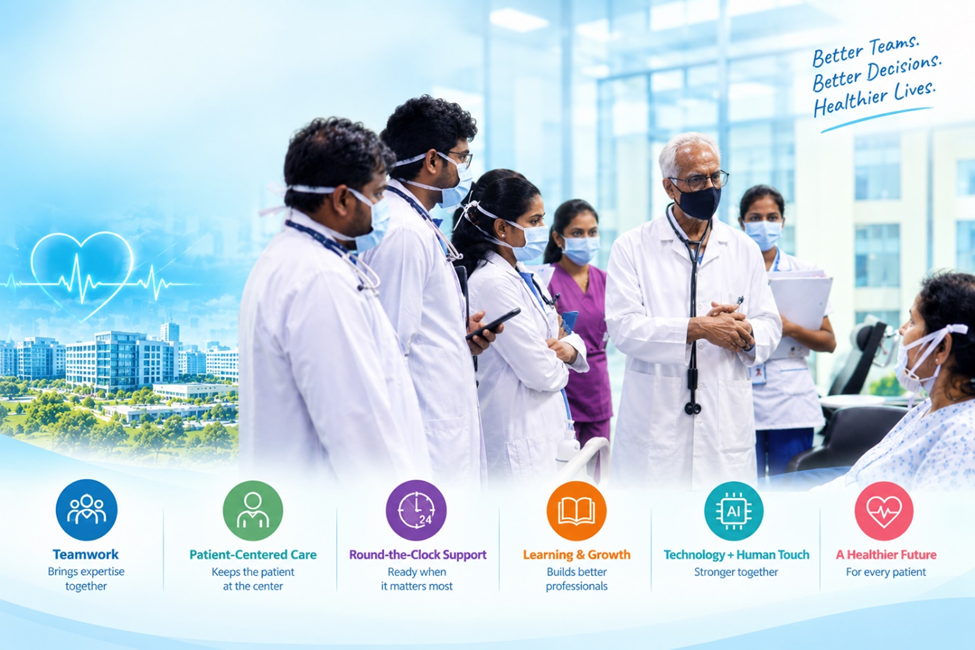
A new vision for medical education would embrace the science of learning, prioritising active, team-based, and experiential methods over passive memorisation; restore the centrality of empathy, communication, and ethical reflection in every stage of training.
Invest in mental health, well-being, and community among trainees, recognising that healthy doctors are better healers. Integrate new technologies thoughtfully, while attending to their impact on care and society. Above all, elevate the importance of primary care, preventive medicine, and social determinants of health.
Medical education remains a noble calling and a vital public trust. By acknowledging what has gone wrong—and having the courage to change—society can ensure that the next generation of doctors is not only skilled, but also wise, compassionate, and ready to meet the challenges of a new era.
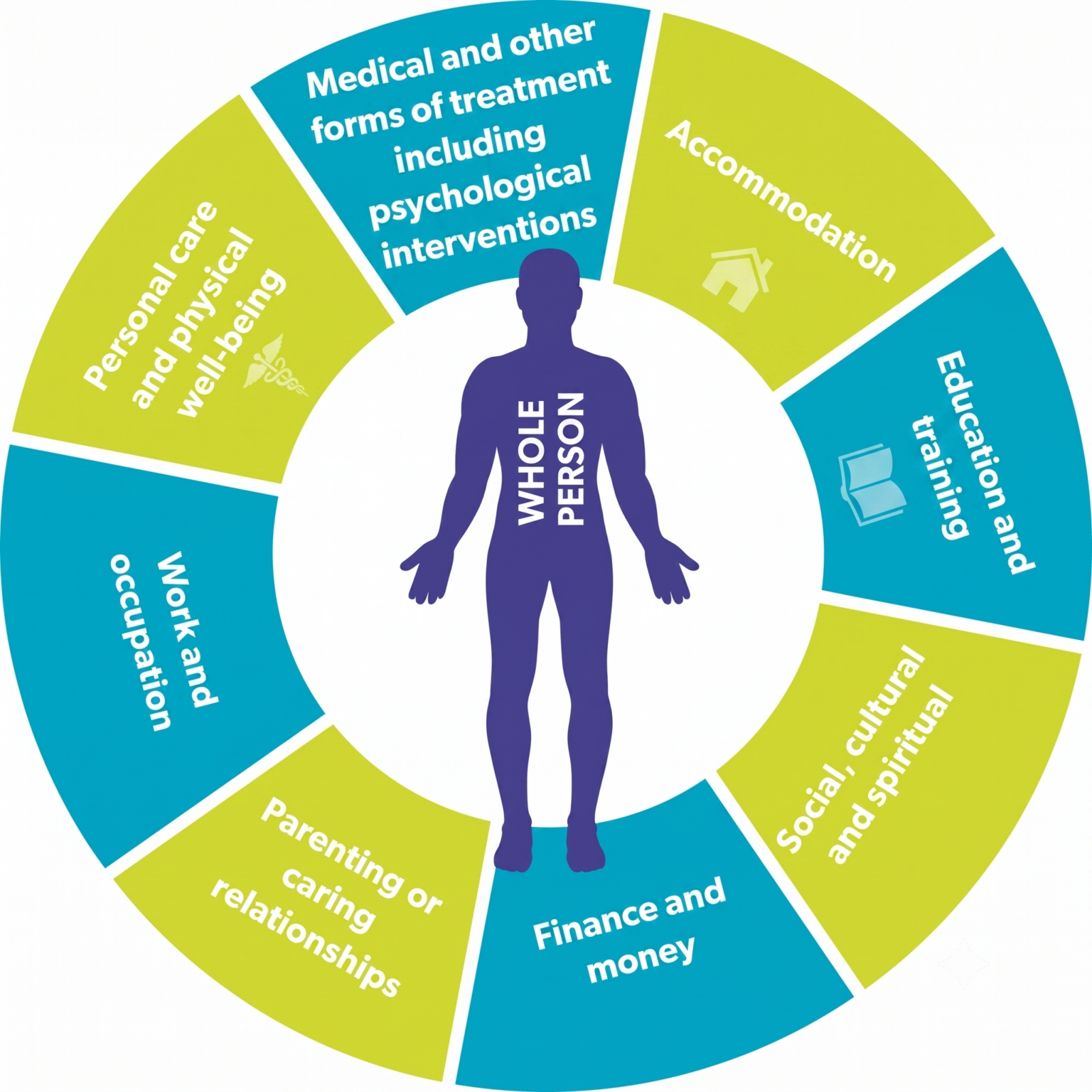
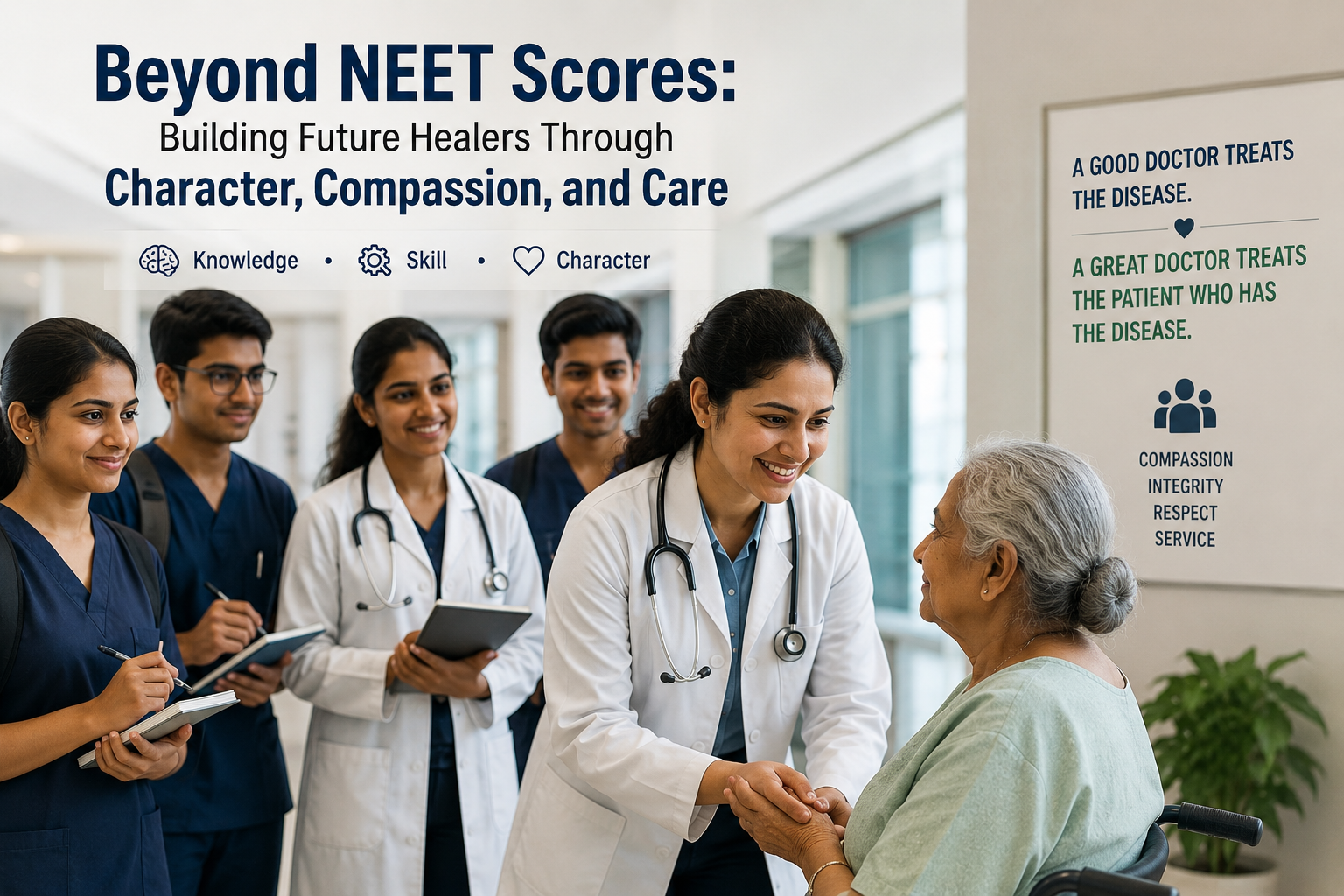
A good doctor in today’s world needs more than medical knowledge. Modern technologies such as artificial intelligence, telemedicine, genetic testing, and robotic surgery can greatly improve healthcare, but they cannot replace human qualities. A doctor must have strong character, earn the trust of patients, exercise good judgment in different situations, and act responsibly. Medicine should therefore combine technological excellence with human compassion. A doctor should not simply be someone who can diagnose and treat diseases, but also someone who can understand patients, communicate with empathy, and make responsible decisions in their best interests.